
Campus Parking Problems: Modern Security Solutions
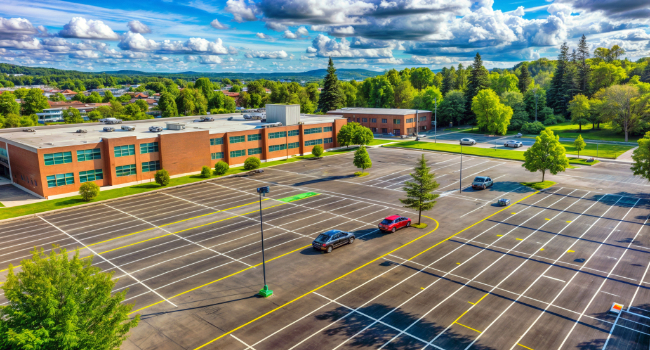
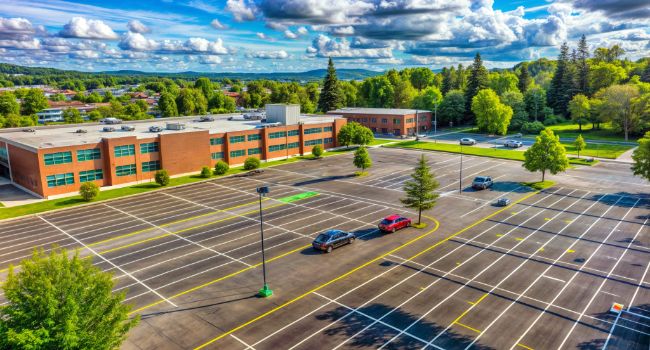
Parking: for many, it’s an everyday fact of life. Whenever we drive somewhere, we must consider parking, and often, that parking experience sets our mood and expectations for the rest of the journey. Whether a quick grocery store pickup or long-term airport parking, the parking lot is an integral part of whatever type of campus you’re visiting. This includes destinations like retail stores, your local high school, hospitals, and the park-and-ride systems present in major cities.
One thing all of these different places have in common? Their goal is to provide visitors with a pleasant, stress-free experience, even after you’ve exited your car. There are three main elements that come into play when we talk about what modern security solutions can do for parking situations, regardless of the size of the lot: safety and security, the cost factor, and the need for operations to run frictionlessly and efficiently. Security, safety and an understanding of location and direction should be felt the second you step foot on a campus, whatever that campus consists of. Parking lots and parking related technologies play a big role in improving flow, increasing safety and security and promoting economic activity.
Securing Spaces and Safeguarding People
When we think of security solutions, safety is always the top consideration. For parking lots, this means that vehicles should be kept safe even when parked overnight or long-term, and people should feel comfortable walking to, from, and within the lots at all times of day. However, common safety issues plaguing parking lots include potential theft or vandalism related to vehicles, and people being assailed as they walk to their cars—especially in lots that are tucked in campus corners or located on the fringe.
Key security solutions for ensuring parking lot safety include audio deterrents, cameras, and AI alerts, all of which help to enhance security and scale the efforts of campus staff. A camera may seem like an obvious solution, but with built-in, AI-based analytics growing more intelligent by the day, cameras now offer so much more than simple visibility. Loitering detection, for instance: AI analytics in a camera can detect a group of people hanging out in a parking lot either too long or after hours, triggering an automatic alert. That alert can first be sent out via an audio recording, which can be something as simple as a speaker in the lot saying, “This parking lot is currently closed,” or even warning the loiterers about trespassing. These analytics can also send automatic alerts to security personnel on campus, who can then make their way over to check the situation out in a quick and efficient fashion.
Paid Parking Considerations
Paid parking puts forth another key consideration (and challenge) for campus parking lots: How to ensure payment? First off, paid parking can have many benefits including providing access to valuable data, producing revenue to defray costs or reinvest, and increasing parking turnover and availability. Commercial parking could be a parking garage that’s serves an office building but also has paid spaces for the general public, a college campus with different lots for teachers and students at varying price points, or an airport or transportation campus that services different terminals. But when we think about ways to shore up parking payments, we don’t often think of security solutions as fitting into the equation; we typically think of booth attendants at the parking facility entrance/exit, or parking enforcement that trawls lots looking for passes on cars. Solutions like these might work for some scenarios, but they aren’t infallible, and things will always slip through the cracks due to human error.
This article originally appeared in the July / August 2024 issue of Campus Security Today.
link